
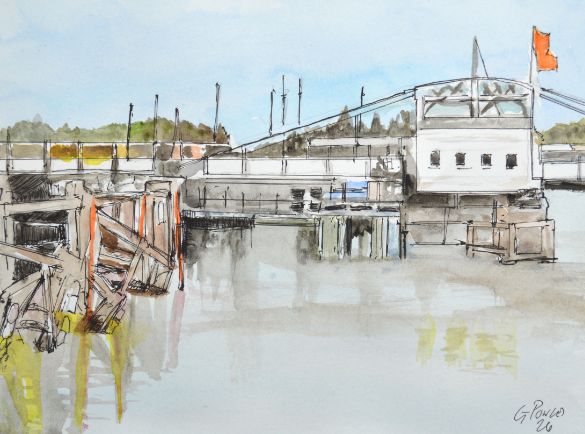
There is a quiet weight to the structure of the Oulton Broad Swing Bridge, set…
The Four Vital Questions of Art Buying
When you spot a painting, sculpture, or print that you want to take home, use these four questions to guide your decision-making process:
Art buying can be an exhilarating journey, especially when one discovers a piece that resonates on a personal level. It is essential to approach this journey with thoughtful consideration and a clear strategy. Understanding the nuances of art buying can greatly enhance your experience and investment. In this guide, we will explore four vital questions that each prospective buyer should consider, ensuring that your decision not only satisfies your aesthetic desires but also supports your financial interests.
1. Who Is the Artist?
By considering the artist’s background, you gain insight into their techniques, influences, and the themes that permeate their work. This knowledge can enhance your appreciation of the art and create a deeper connection between you and the piece.
To understand the creator behind the work, rely on two types of information: spoken and written.
Engaging in conversations with the artist, if possible, can provide rich contextual insights that are often absent from written material. Attend gallery openings or art fairs where the artist might be presenting their work, as these settings offer an opportunity to ask about their inspirations and motivation behind specific pieces.
-
Spoken information usually comes directly from the artist, the gallery dealer exhibiting the piece, or fellow collectors and friends who are familiar with the artist’s reputation.
-
Written information provides a verifiable paper trail and can be found in artist resumes, gallery exhibition catalogues, art reference books, and published reviews.
Exploring online platforms can also yield valuable information. Websites dedicated to artists often feature interviews, critiques, and articles that shed light on their artistic evolution. Moreover, social media can be a powerful tool for following artists and getting a real-time glimpse into their creative processes and future projects.
2. How Important Is the Specific Piece?
To determine the significance of a particular work, look at it in the context of the artist’s entire career. Try to view as many pieces by the artist as possible to see where your chosen artwork falls in their timeline. You can ask the seller to show you a variety of the artist’s other works—whether originals, prints, or photographs. Viewing works from different periods of an artist’s career will teach you volumes about the quality and progression of the piece in front of you.
For those unfamiliar with an artist’s oeuvre, visiting exhibitions or searching for works in online databases can illuminate how your chosen piece fits within the broader narrative of their career. This understanding can also inform your purchasing decision, as some artworks may represent pivotal moments in an artist’s journey.
3. Where Has It Been?
It is incredibly important to know the history of the specific physical piece. This means accumulating its “provenance”—essentially a biography of the artwork from the moment the artist completed it up to the present day.
Provenance encompasses the full life story of the artwork, including its original purchase, any subsequent owners, and noteworthy exhibitions. It is crucial to gather as much information as possible regarding its past. Engaging with galleries that have a robust reputation for providing provenance documentation can be beneficial. Be wary of artworks that lack clear history, as they may carry hidden risks.
Good provenance and solid documentation drastically increase an artwork’s desirability, collectability, and market value. In the art world, having a documented history is like having a prized pedigree. For example, if a painting was previously exhibited at a notable museum exhibition or won a prestigious prize, it becomes far more collectible than a similar painting that remained hidden in a studio.
Consider attending art fairs where provenance is often discussed openly. Collectors and dealers exchange stories about the history of pieces, fostering a learning environment for buyers. Such interactions can provide insights that are not always captured in written documentation.
4. Is the Price Fair?
When evaluating cost, focus entirely on the present. Don’t worry about what the piece might be worth in the future, as nobody can truly predict the trajectory of the art market. What you need to know is whether the piece is fairly priced today. This is a crucial step because, just like any other luxury good, art can occasionally carry an inflated price tag. Compare the price against recent sales of similar works by the same artist to ensure you are making a sound investment.
It is also wise to remain open to negotiation. Many sellers may expect some form of discussion regarding the price, and a well-informed buyer who presents comparable sales data has a greater chance of striking a fair deal.
Seek out expert opinions when evaluating the value of an artwork. Professional appraisers can provide insights based on market trends, similar sales, and the specific characteristics of the piece. Additionally, researching recent auction results can give you a clearer picture of what collectors are currently paying for similar works.

Related Posts


Comments (0)