
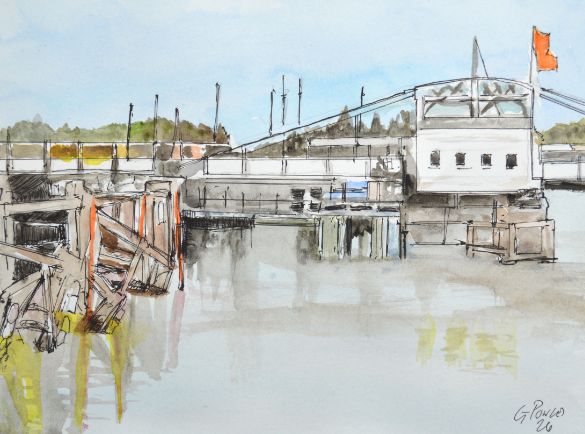
There is a quiet weight to the structure of the Oulton Broad Swing Bridge, set…
Top Four Tips On Collecting Art
Art collecting can be a deeply rewarding hobby, a passionate pastime, or even a sophisticated long-term investment that appreciates over time. If you are new to the art world, it is entirely normal to feel overwhelmed by the vast number of styles, mediums, and buying strategies available. However, embarking on this journey can be an enriching experience filled with personal growth and cultural appreciation. To simplify your journey and help you build a collection with confidence, here are four of the best foundational tips for new collectors, each accompanied by insights and examples to guide you along the way.
1. Buy What You Love
First and foremost, you should always purchase an artwork simply because you genuinely love it. While this may sound like common sense, a surprising number of people overlook this golden rule. It is easy to fall into the trap of buying a piece just because an advisor suggested it, or because you see others clamouring for something similar. For instance, a friend may rave about a contemporary piece that has garnered attention, but if it doesn’t resonate with you personally, it may not be worth the investment.
If you find a piece that moves you and you believe it will enhance your daily life, buy it! You do not need to wait for outside approval or market validation to make a move. After all, what value does a prestigious artwork hold if you don’t personally appreciate it? In the world of art collecting, nothing is more self-gratifying than owning a piece that communicates with your soul—an artwork that remains just as fresh, exciting, and inspiring the thousandth time you look at it as it did the first. Think about the joy of walking into your home and being greeted by a stunning landscape that evokes fond memories of a trip you took, or a vibrant abstract that energises your space.
2. Go, Gallery Hopping
When you are starting, one of the best habits you can form is gallery hopping. Make a point to visit as many art galleries as possible in your surrounding areas, perhaps dedicating a Saturday each month to explore new venues. Gallery directors and staff are incredibly valuable resources; they are there to talk about the work and can add immensely to your ongoing art education. You might discover a lesser-known artist whose work speaks to you, or learn about the historical context of a particular style that enriches your understanding.
Stepping into physical galleries exposes you to the real thing, allowing you to examine the texture, brushwork, and intricate details of paintings, sculptures, or prints in a way a digital screen simply cannot replicate. For example, the shimmering surface of an oil painting can only be fully appreciated in person, where you can see the artist’s hand at work. Furthermore, galleries frequently showcase established collections, giving you an insider look at how other collectors organise their pieces and generating fresh ideas for your own home gallery. You might even stumble upon a pop-up exhibition featuring local talent that you would not have discovered otherwise.
3. Get Connected to the Community
Most galleries maintain active mailing lists to regularly update their clients on upcoming exhibitions, new arrivals, and exclusive events. Staying connected to these hubs is a fantastic way to keep your finger on the pulse of the local art scene. Consider signing up for newsletters from your favourite galleries, as they often provide insights into artist talks, panel discussions, and workshops that can enhance your appreciation for the art. Engaging with these communities can also lead to personal connections with artists and fellow collectors who share your interests.
When a gallery hosts an opening night or a special artist reception, do your best to attend. These events are perfect opportunities to immerse yourself in the culture, meet artists face-to-face, network with fellow collectors, and often spot exceptional new pieces before they hit the general market. For instance, an opening night might allow you to witness the artist discussing their inspiration while you sip on a glass of wine, creating a memorable experience that goes beyond simply viewing the art.
4. Go Local
If you don’t live near a major metropolitan art district, don’t worry—you can achieve incredible results by looking right in your own backyard. Try visiting local art museums, regional exhibitions, or non-profit community art centres. Even small towns often have hidden gems in terms of artistic talent, so keep an open mind and be willing to explore. You never know when you might find a stunning piece that resonates with you.
You may be pleasantly surprised by the calibre of local artists creating breathtaking masterpieces right in your area. Because many of these creators are budding, emerging talents, you can often secure spectacular original art at incredibly accessible prices. To sweeten the deal, the curators at these local non-profits frequently host educational lectures and workshops for aspiring collectors, which are often free or very low-cost thanks to community sponsorships. Participating in these events can deepen your understanding of art collection and empower you to make informed decisions as you build your collection.

Related Posts

Comments (0)