
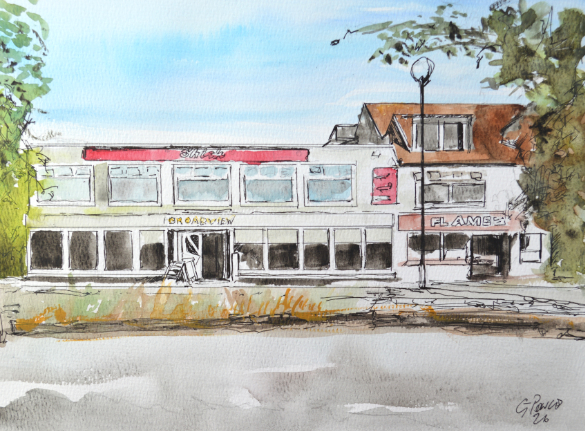
Broadview Wine Bar, Oulton Broad There is a quiet geometric rhythm to the buildings along…
A Beginner’s Guide to Art Collecting
A Comprehensive Guide to Art Collecting
Art collecting is a deeply stimulating and inspiring hobby that belongs to everyone. It is not a luxury reserved solely for the rich and famous; regular, everyday individuals can build beautiful collections, too. The definition of art varies greatly from person to person, resulting in a massive variety of forms to choose from. Ultimately, the form doesn’t matter—what truly counts is your personal connection to the piece and how much you are willing to invest in it. Whether it’s a small print that speaks to you or a grand original work, art has the power to enrich your life in countless ways.
Lastly, remember to enjoy the process! Art collecting should be a pleasurable experience that reflects your personal tastes and interests. Allow yourself the freedom to explore different styles and mediums without the pressure to conform to trends or expectations. Your collection is an extension of yourself, so let it evolve naturally over time.
Research the artists and their backgrounds. Knowing the story behind a piece or the artist can deepen your appreciation for the work and may influence your purchasing decisions. Understanding the context in which an artist created their work, including their inspirations and techniques, can add a layer of richness to your collection.
Consider setting a budget for your art collecting adventures. It’s easy to get carried away when you fall in love with a piece, but having a clear budget can help you make informed decisions and prevent impulsive purchases. Start by determining how much you are willing to spend monthly or yearly on art, and stick to that limit. This approach allows you to grow your collection gradually while also ensuring you’re making sound financial choices.
As you embark on your art collecting journey, it’s important to connect with the art community. Attend local art fairs, exhibitions, and gallery openings to meet artists and fellow collectors. Networking within the community can provide valuable insights into the art market and help you discover emerging artists whose work you may want to include in your collection. Additionally, joining online forums and social media groups focused on art collecting can expand your knowledge and introduce you to various styles and trends.
To Buy Prints or Originals?
In the art world, some individuals occasionally look down on others based on their buying choices. For instance, some purists exclusively buy original works and would never dream of considering a reproduction. However, if you are just beginning your journey into art collecting and are motivated purely by personal enjoyment, purchasing an original is by no means essential—especially if it stretches far beyond your budget. Prints can serve as a fantastic entry point into the world of art collecting.
There is absolutely nothing wrong with buying prints. In fact, they are a superb way to acquire beautifully framed art that enhances your home without breaking the bank. Many art enthusiasts start their collections with prints as they allow for a wider selection of styles and artists, making it easier to find pieces that resonate with you personally.
It is worth noting the physical differences: a print won’t capture the tangible texture or three-dimensional quality of an original painting’s brushstrokes or ink layers. However, high-quality, well-printed artwork is never a compromise. In fact, many seasoned collectors own a mix of art prints purchased affordably online, at local galleries, or at art fairs. These pieces look incredibly tasteful and classy, completely defying the expectation that budget-friendly art looks ‘cheap.’ Collectors can often find prints from well-known artists that showcase their signature styles, allowing for diverse and exciting collections.
All Framed Up
Once you discover an original or a print that resonates with you, you have the option to frame it yourself or entrust it to a professional. Frames span a vast price range, starting from affordable metal options to ornate, hand-carved wooden frames that can cost a small fortune. Framing not only protects your artwork but also enhances its presentation, making it more visually appealing. The right frame can elevate even the simplest print into a stunning focal point in your home.
When it comes to using mats—the cardboard borders that frame your picture inside the glass—be thoughtful. A poorly chosen mat can detract from your artwork rather than enhance it. If you are new to framing, it is highly recommended to take your piece to a local shop just to explore. Observe how the professionals offer different mat widths and moulding styles. Take your time and deliberate; the colour combination of the mat and frame has a massive impact on how the artwork pops. Consider experimenting with different styles and combinations to find the perfect match for your artwork and interior design.
You will also want to consider where the piece will hang, ensuring the frame complements your home or office decor. The location can influence the framing style you choose, as well as the type of artwork you collect. For instance, a bright, modern piece might need a sleek, minimalist frame, while a vintage landscape might be better suited to a classic wooden frame.
For a clean, contemporary look: Slender, brushed-metal frames are elegant, highly affordable, and come in a variety of finishes. When in doubt, matte black or bronze are incredibly safe, sophisticated choices. These styles work well with a variety of artwork, from abstract pieces to photography, ensuring your collection looks cohesive and well-curated.
For gallery presentation: Simple bronze or black metal frames work beautifully and keep costs down. This is an excellent strategy if you are selling art, as many buyers will ultimately reframe a piece anyway to match their specific home decor. Additionally, gallery-style framing can give your collection a professional and polished appearance, making it more appealing to potential buyers.
For a warmer, natural feel: Naturally stained wood frames are timeless. Cherry and mahogany are incredibly popular choices because their deep, rich, reddish tones bring an instant touch of elegance to almost any piece of art. Consider the overall colour palette of your space when choosing a wood frame, as different stains can evoke various moods and aesthetics. For a unique touch, mixing different types of frames in a gallery wall can create an eclectic and visually interesting display.

Related Posts
Comments (0)