
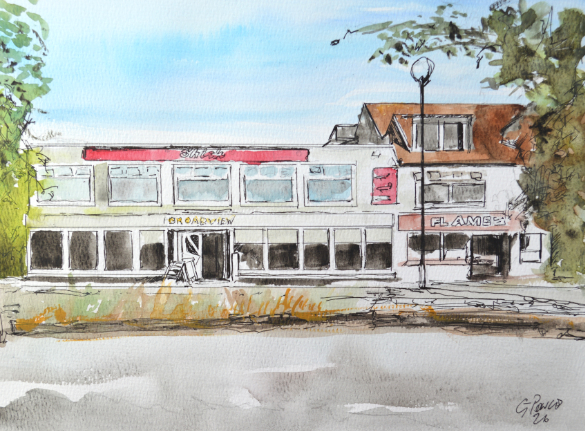
Broadview Wine Bar, Oulton Broad There is a quiet geometric rhythm to the buildings along…
The Essentials On Authenticating And Attributing Art
You can find art for sale almost anywhere, usually coupled with a variety of certifications, documentation, provenances, and grand claims that the piece is a genuine work by a specific artist. However, it is essential to understand that none of these papers, certificates of authenticity, or tall tales mean a single thing if they cannot be traced directly back to an accepted, recognised, and qualified authority on the artist in question. This highlights the importance of conducting thorough research and ensuring that any claims of authenticity are backed by credible evidence, particularly when considering an investment in art.
To navigate the art market safely and effectively, here are the essentials you need to know about how art attribution and authentication actually work—and who you can genuinely trust. Understanding these concepts can not only save you from potential financial losses but also enhance your appreciation for the art and its provenance. Knowledge is power in the art world, and being informed will help you make better decisions and foster a deeper connection with the pieces you choose to invest in.
The Problem With Casual Attributions
One of the most pervasive problems in the art world revolves around “attributed” art. It is incredibly common for unqualified individuals to attribute random artworks to famous names without any substantial evidence. This casual attribution not only misleads potential buyers but also diminishes the true value of authentic works. Sad to say, 100% of these casual attributions are considered completely worthless in the professional art industry. The implications of such misattributions can have a lasting negative impact on the reputation of both artists and collectors alike.
Legitimate attributions are only made by recognised figures who possess established, documented expertise on that specific artist.
Defining “Attributed”
Officially and technically speaking, “attributed” means that a specific work of art is highly likely to be an original by the hand of the artist, as certified by a qualified specialist. The keyword here is qualified authority. If an attribution is made by anyone else, it carries no weight and adds no value to the piece. Hence, it is crucial to seek out professionals who possess a well-documented history of their expertise and can substantiate their claims through rigorous analysis and a deep understanding of the artist’s unique style and techniques.
Who is a Qualified Authority?
A qualified authority is someone who deeply understands the artist’s body of work and can back up their claims with verifiable evidence. Typically, a qualified authority is someone who has dedicated years to studying the artist’s life, techniques, and the context in which they created their works. This includes an understanding of the historical and cultural moments that influenced the artist. Moreover, qualified authorities often engage with the art community, attending exhibitions, lectures, and conferences that further their knowledge and expertise. They are not only well-versed in the artist’s oeuvre but also in the broader movements that shaped the art world during that period.
-
Deliberately studied the artist’s life and techniques over many years.
-
Published scholarly papers, books, magazine articles, or catalogue essays about the artist.
-
Curated major museum or gallery exhibitions dedicated to the artist’s work.
Furthermore, engaging with the art itself is essential for a qualified authority. This might involve the examination of works in person, studying the materials used and the techniques applied, as well as understanding the artist’s evolution over time. For instance, an expert might analyse brush strokes, colour choices, and the application of different mediums to distinguish between authentic works and fakes or misattributions. This practical experience complements their academic knowledge, providing them with a comprehensive view of the artist’s methodology.
-
Taught academic courses focusing on the artist.
-
Bought or sold dozens, or even hundreds, of pieces by that specific artist.
Beyond academics and top-tier dealers, the artist themselves is the ultimate authority. By extension, direct descendants, close employees, estate heirs, or individuals with formal legal backing to pass judgment on the estate are also considered qualified. Crucially, these are the people the entire art community collectively recognizes as the final word on that artist.
In addition to direct engagement with the artist’s work, qualified authorities often maintain connections with other experts in the field, allowing for collaborative insights and discussions that can enhance their understanding of specific artworks. This network of professionals can include fellow researchers, gallery owners, and even other artists who might offer perspectives that enrich the attribution process. Such collaborations often lead to more accurate and nuanced attributions, benefiting the entire art community.
Who is NOT Qualified?
While the list of unqualified individuals is endless, there are a few common red flags to watch out for when assessing claims made by sellers. Be highly skeptical of those who use justifications that lack substantive evidence. For instance, claims such as “It looks just like their style.” should raise immediate concerns. A mere visual similarity or resemblance to an illustration in an art book does not equate to proof of authenticity and should be approached with caution. It’s vital to remember that the art market is rife with misconceptions and misleading statements.
-
“It looks just like their style.” A visual similarity or a resemblance to an illustration in an art book does not equal proof.
-
“That’s what the previous owner told me.” Third-party hearsay and family lore are not legally binding provenance.
-
“The previous owner was rich and famous, so it must be real.” A prestigious past owner does not automatically guarantee the authenticity of the artwork itself.
Additionally, it is important to consider the context in which the artwork has been presented. Sellers who claim that a piece was once owned by a celebrity or influential figure may intend to create a false sense of value. When encountering statements like “The previous owner was rich and famous, so it must be real.”, it is imperative to conduct further research into the ownership history and verify the documentation supporting these claims, as they are often used as a marketing tactic rather than a legitimate proof of authenticity.
Appraisers vs. Authenticators
You should also exercise caution when dealing with general art appraisers. Appraisal and authentication are two entirely different things. An appraiser’s job is to assign a financial value to a piece based on current market trends, assuming the piece is what it claims to be. Without specific expertise in a particular artist’s work, an appraiser cannot legally or formally authenticate a painting. This distinction is crucial, as misinterpretation of an appraiser’s role can lead to assumptions about authenticity that are unfounded.
The Bottom Line
If you are planning to invest in a piece marketed as an original, you must look past the fancy paper it is printed on. Ensure that the documentation originates from a genuinely qualified authority, the official artist estate, or—better yet—the living artist themselves.
In summary, if you are planning to invest in a piece marketed as an original, you must look past the fancy paper it is printed on. Ensure that the documentation originates from a genuinely qualified authority, the official artist estate, or—better yet—the living artist themselves. This due diligence not only protects your investment but also contributes to the integrity of the art market as a whole. Supporting authentic works promotes the value of genuine artistry and ensures that artists are rightfully recognised for their contributions to culture and society.

Related Posts
Comments (0)